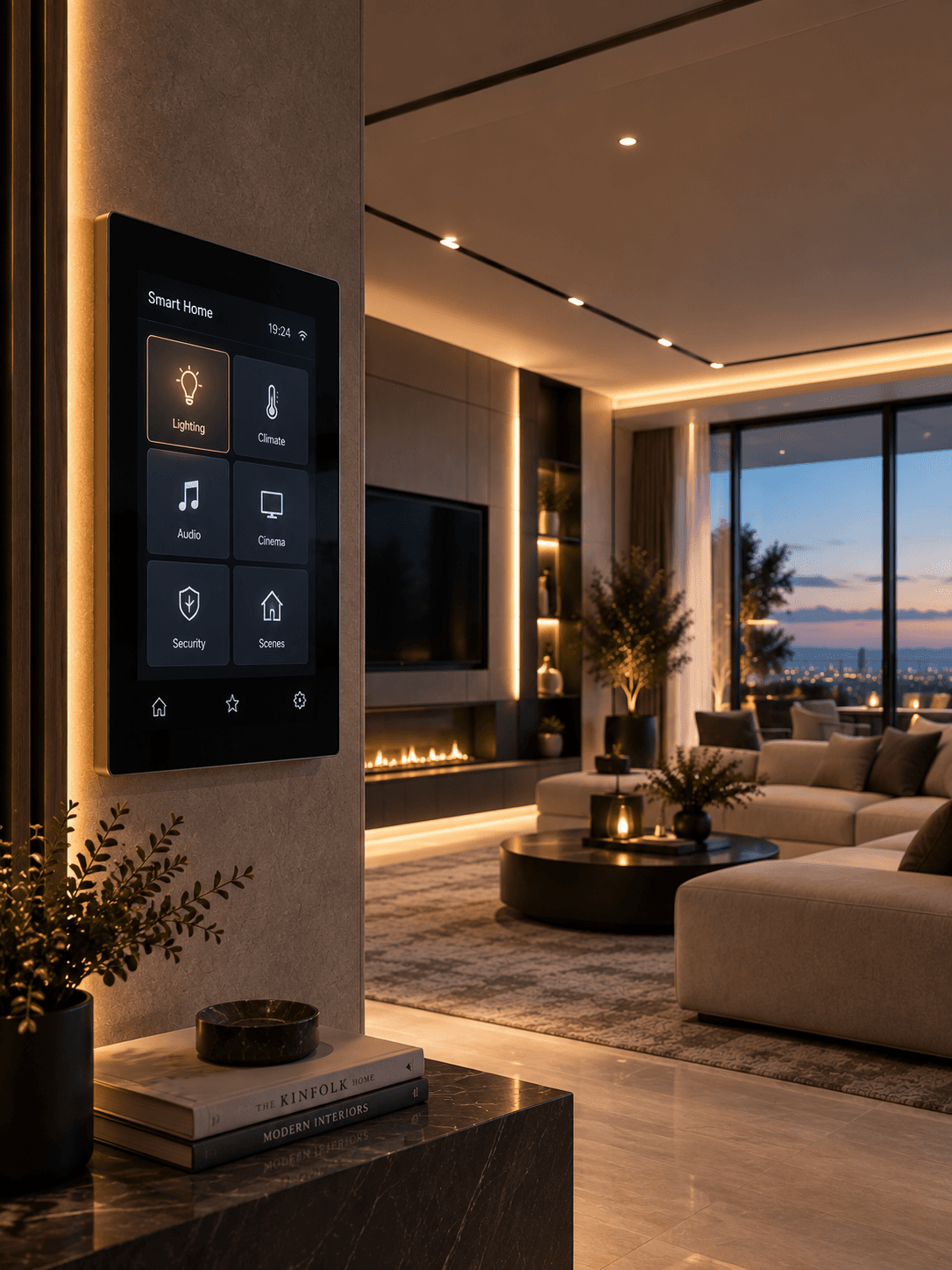
Lighting Zones
Independent control for individual rooms, areas and fixture groups.
Loading...
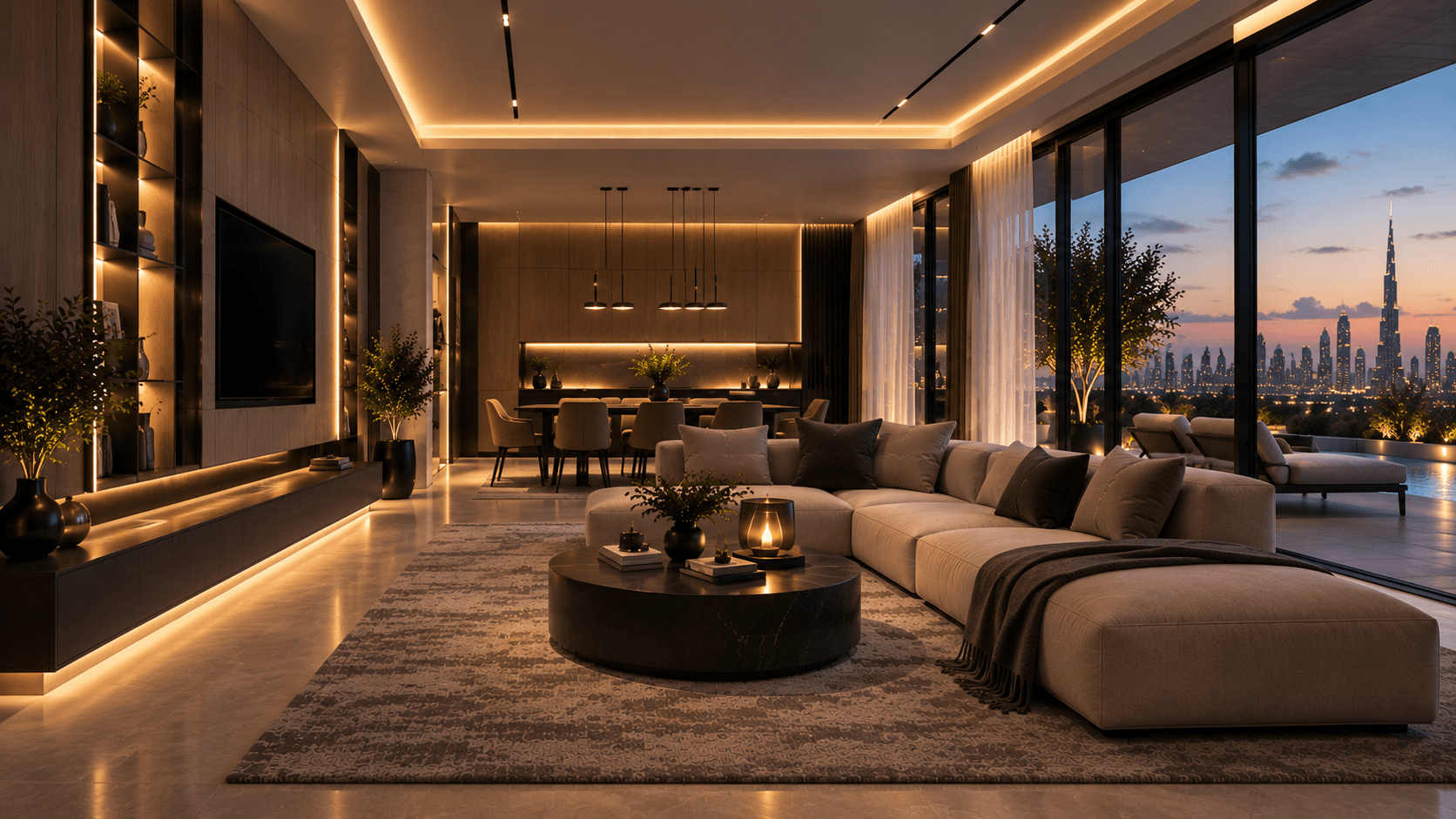
Intelligent lighting control that coordinates dimming, scenes, schedules and automation around the architecture and the way each space is used.
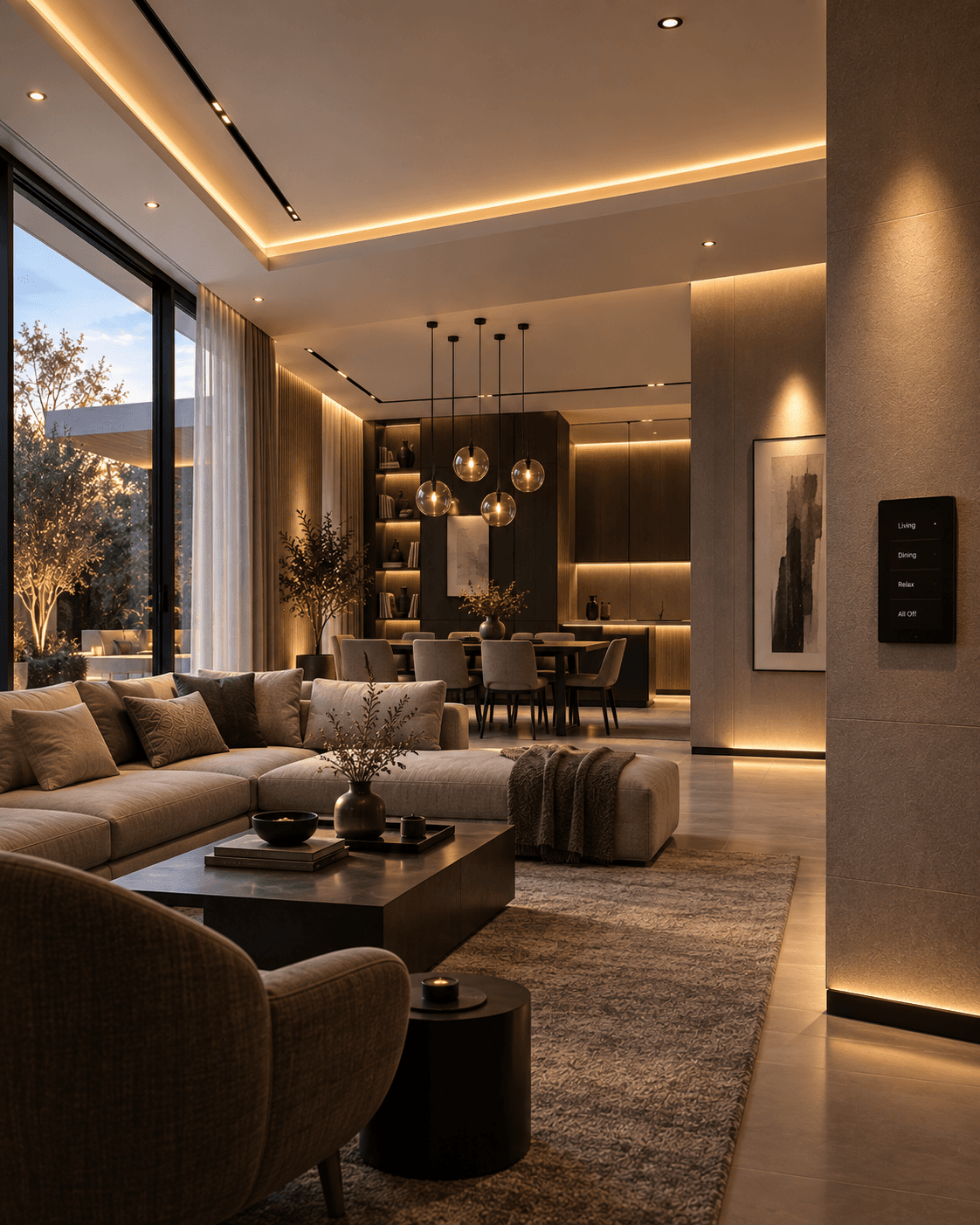
Light becomes part of the architecture.
Smart lighting coordinates architectural, decorative and functional lighting around the way a space is used. Different layers can work independently or together to create the right environment throughout the day.
Room · Area · Fixture Group
Independent control according to the layout and use of the property.
Intensity · Comfort · Atmosphere
Precise lighting levels for different activities and environments.
One Command · Multiple Changes
Coordinate several lighting settings through a single action.
Time · Daylight · Occupancy
Allow lighting to respond automatically to changing conditions.
The control architecture is developed around the lighting design, property layout and level of automation required for the project.
Independent control for individual rooms, areas and fixture groups.
Precise lighting levels for different activities and environments.
Coordinate multiple lighting zones through a single command.
Automate lighting around time, occupancy and everyday routines.
Balance artificial illumination with available natural light.
Bring lighting into the wider property automation environment.
Scenes coordinate several lighting zones and levels so the atmosphere can change with a single command or automatically.
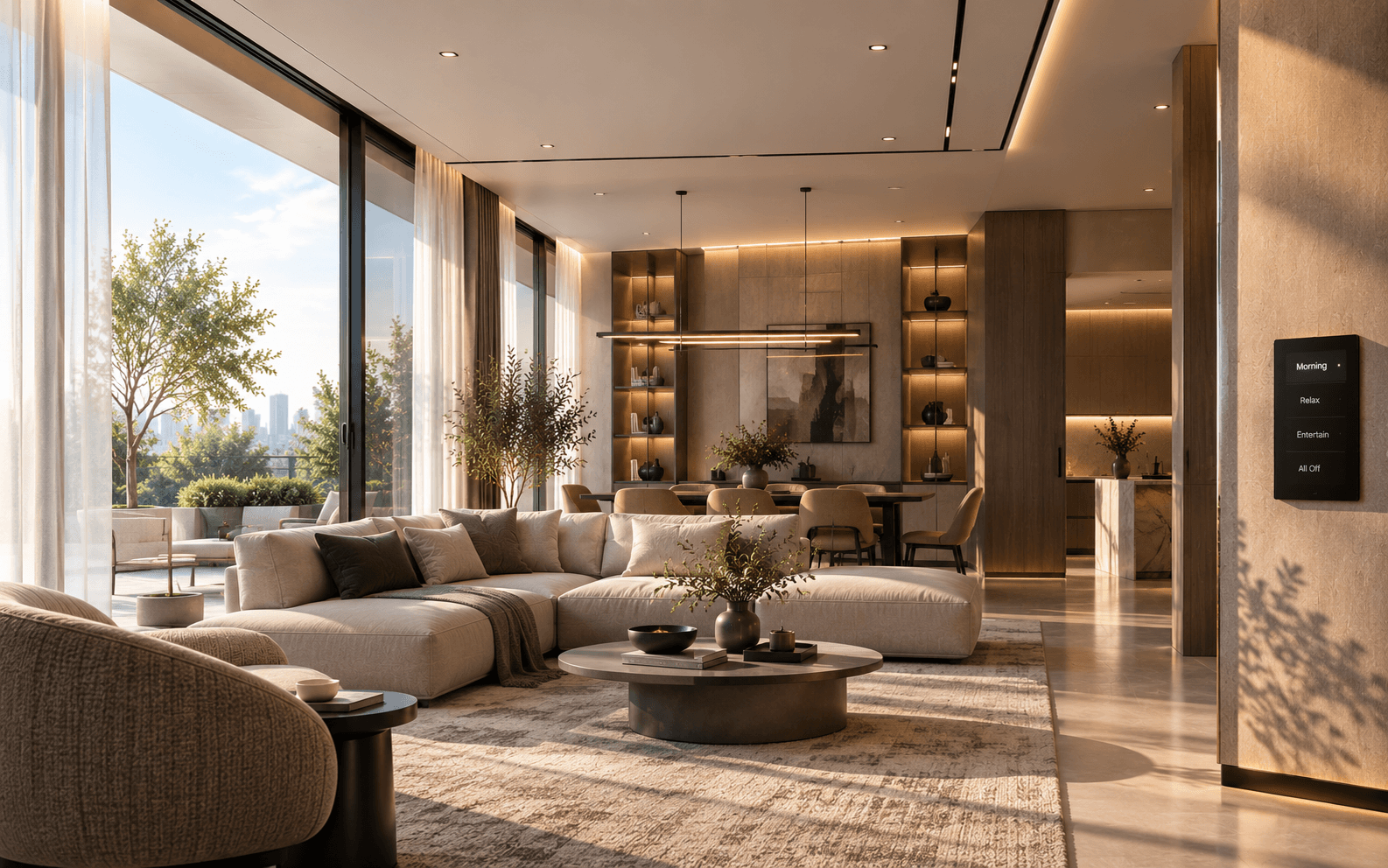
Selected lighting zones respond at comfortable levels while available daylight becomes part of the scene.
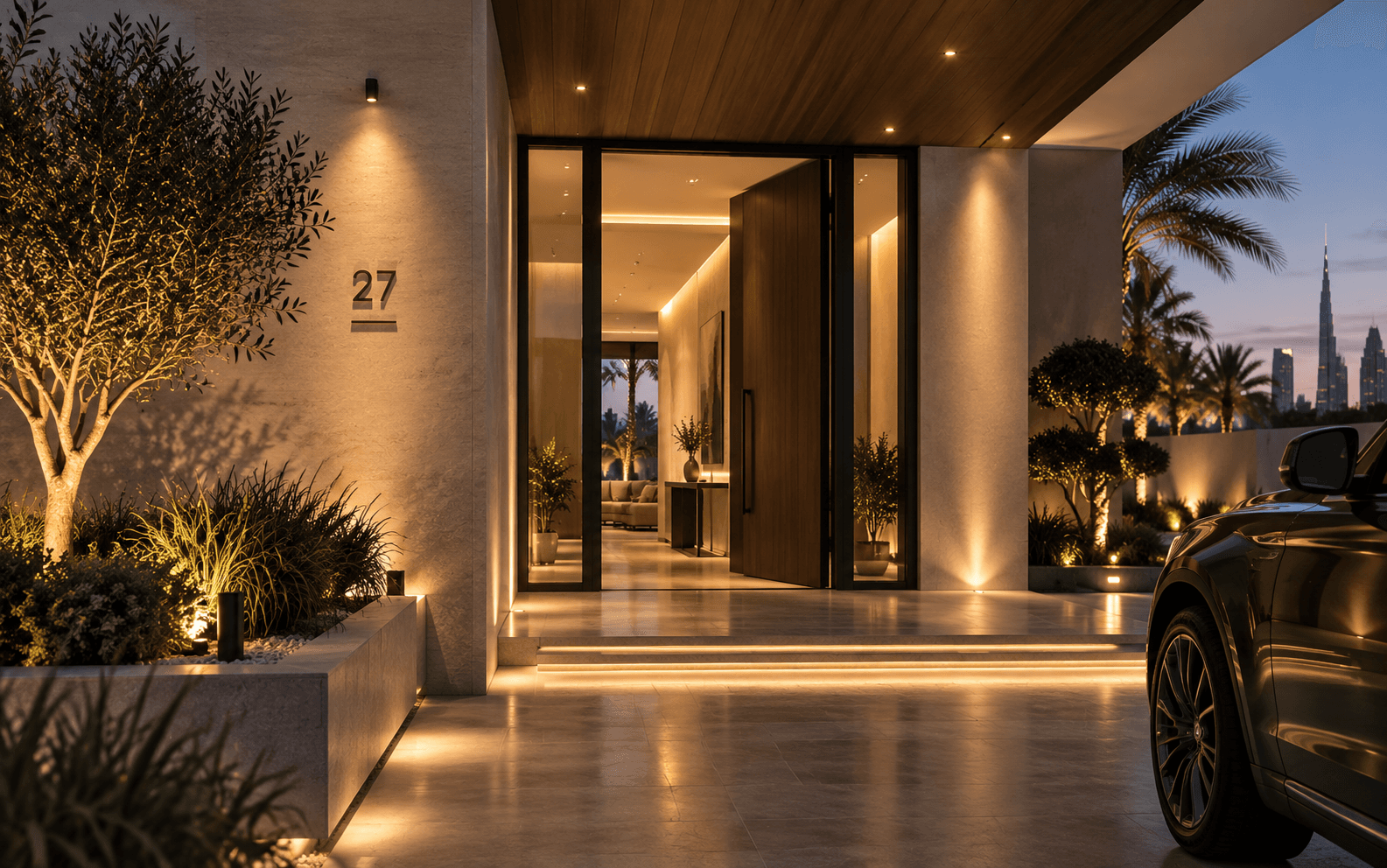
Entrance, circulation and selected interior lighting can activate together as part of an arrival routine.
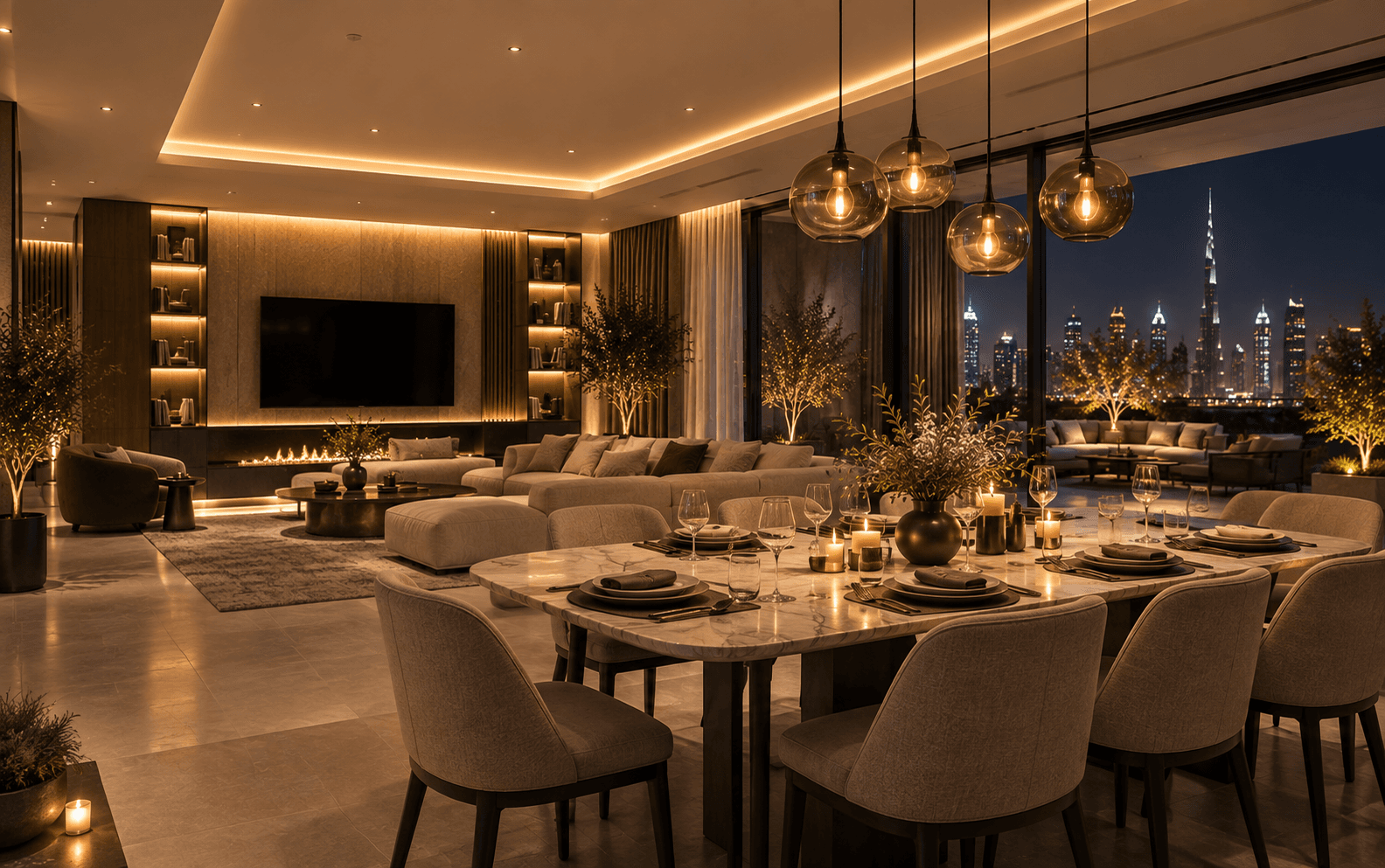
Architectural, decorative and functional lighting work together across dining and living areas.
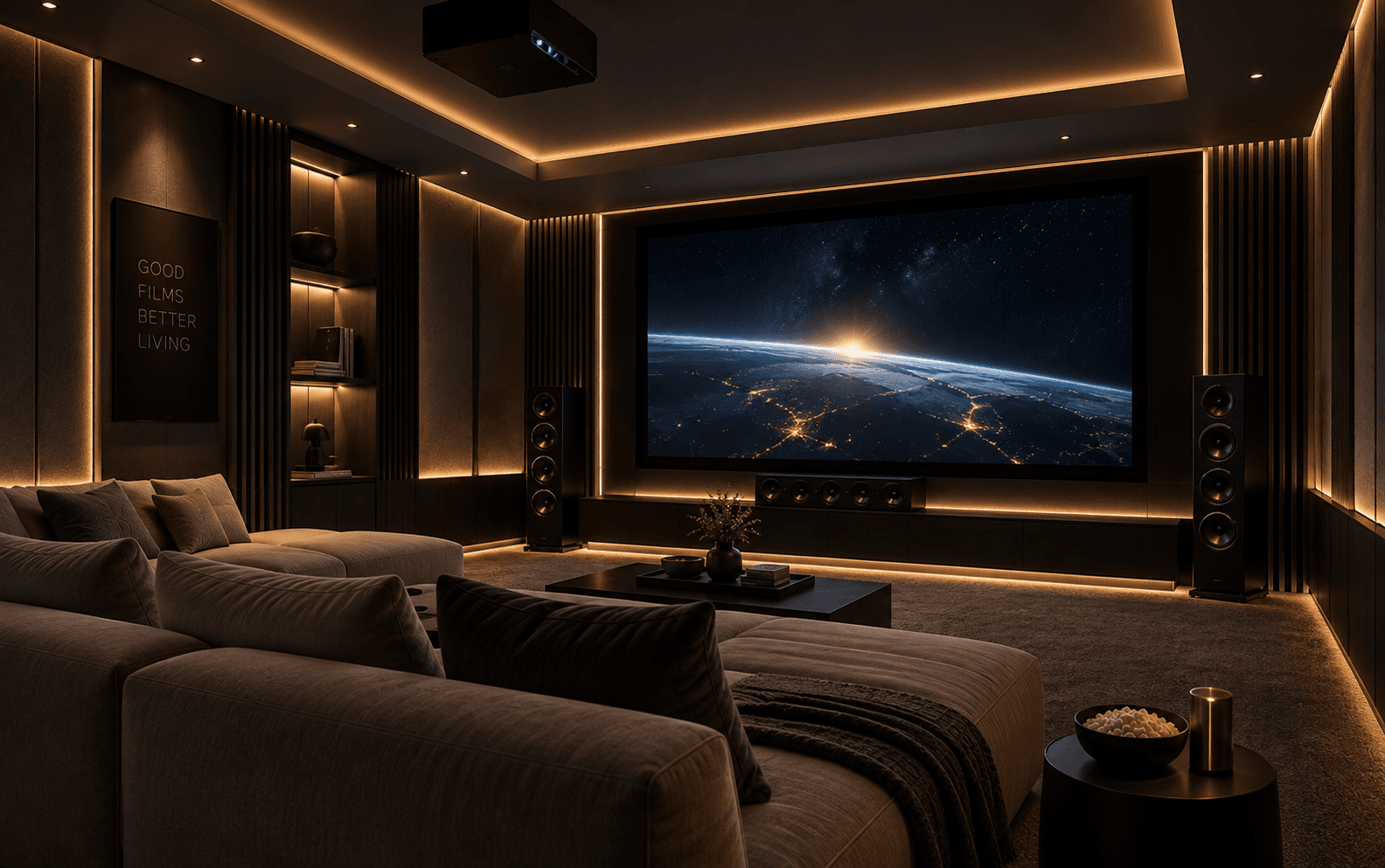
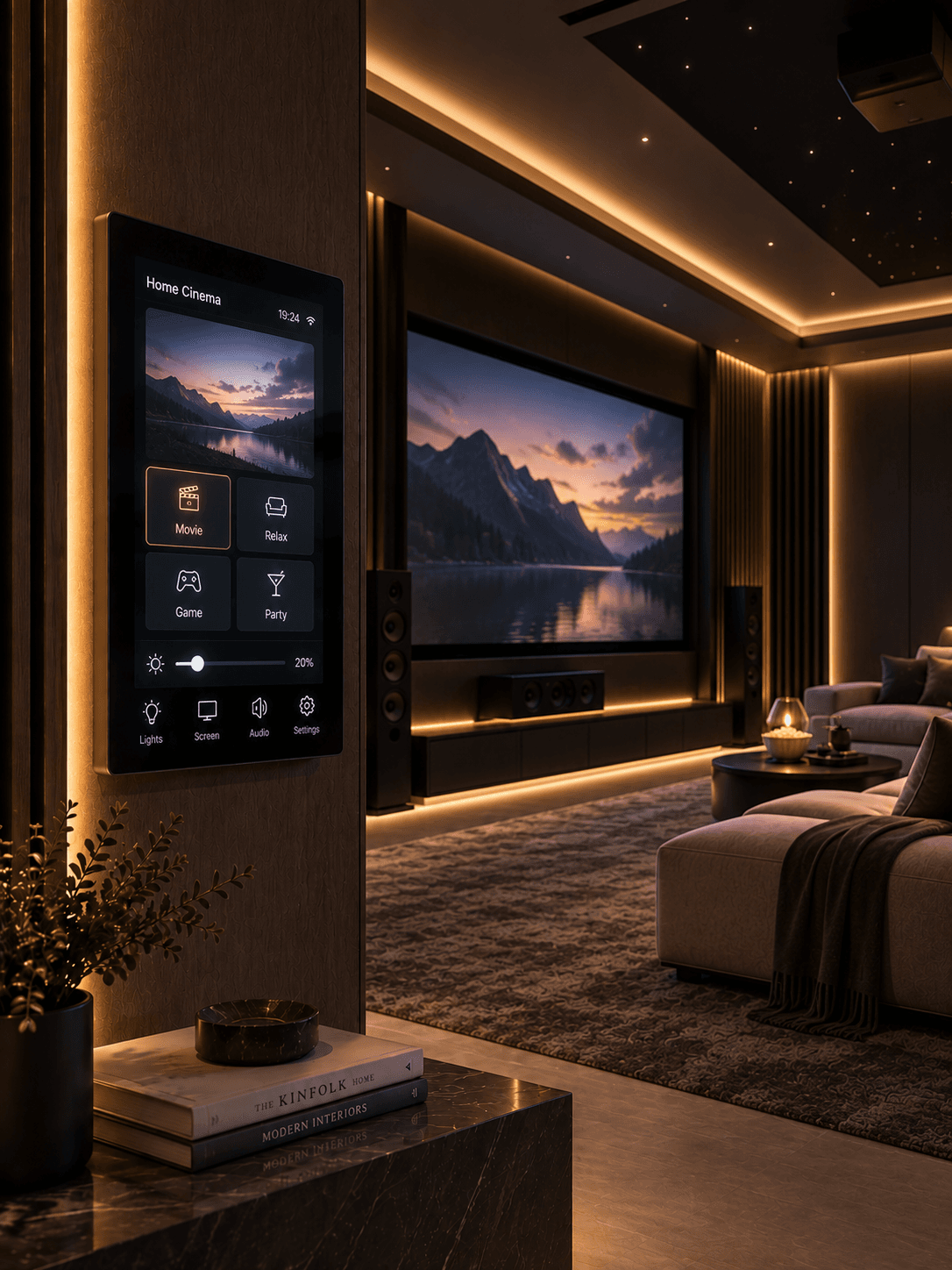
Selected lighting zones dim or switch off as the cinema enters playback mode.
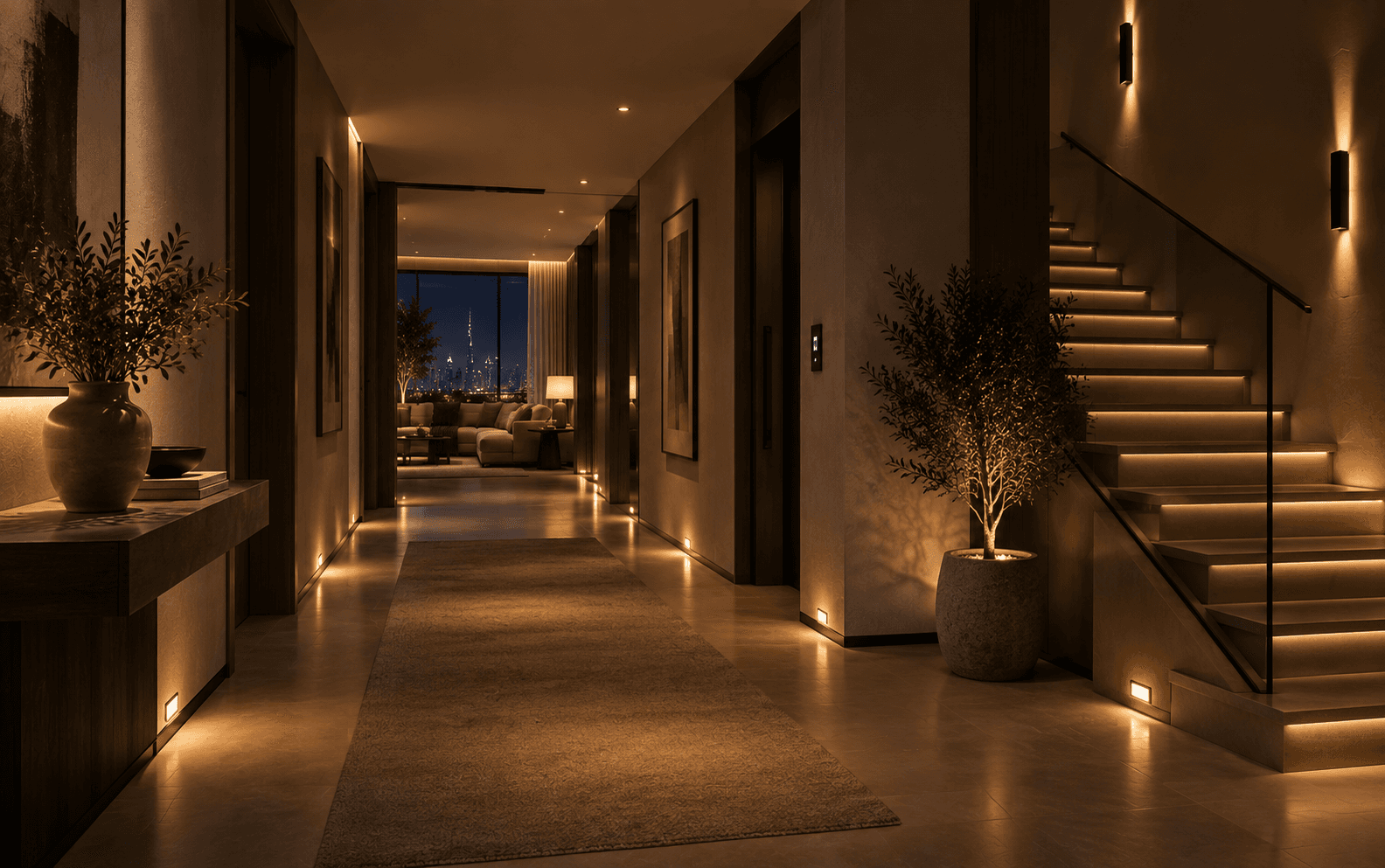
Circulation areas remain softly illuminated without lighting the entire property.
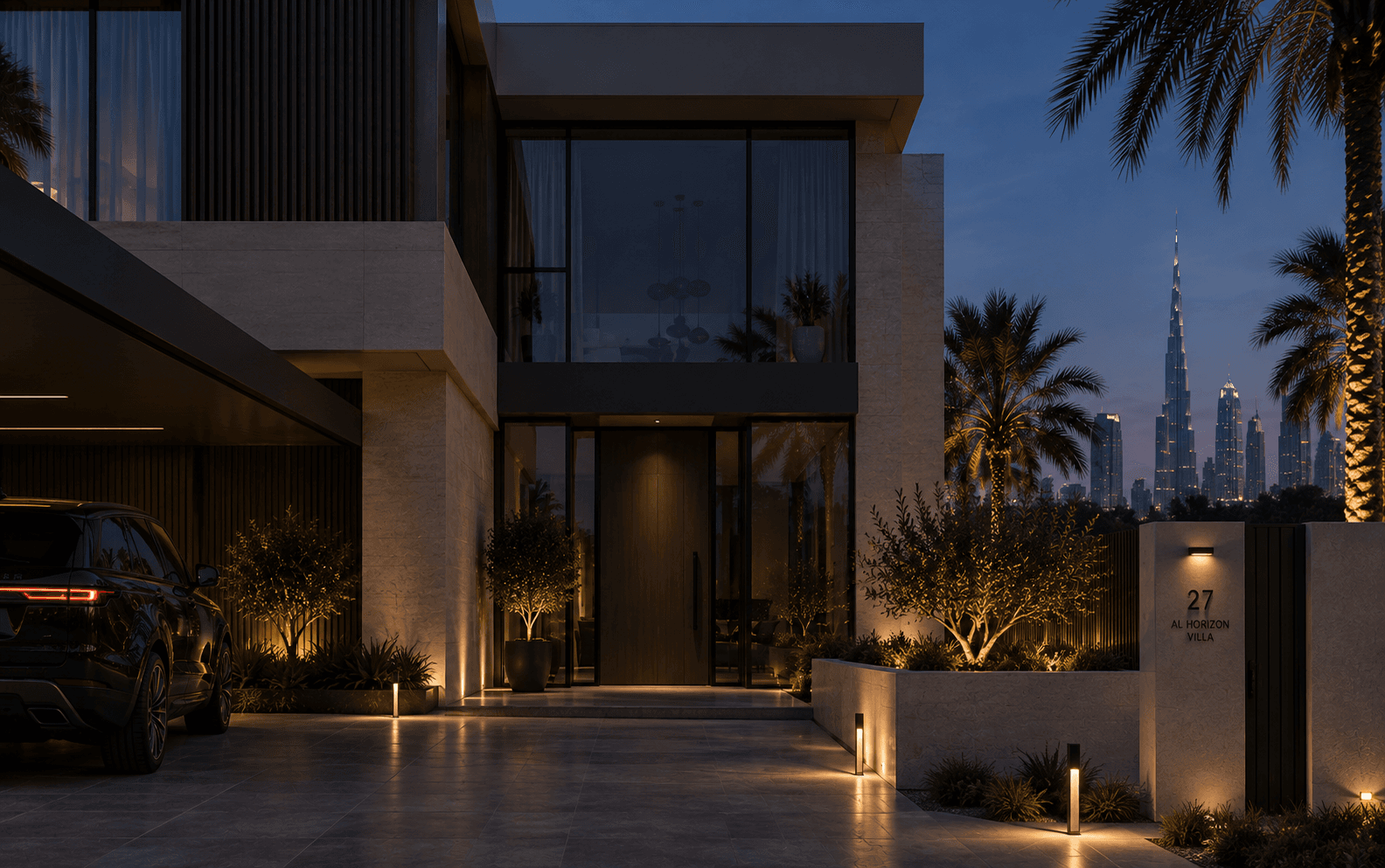
Lighting can participate in departure, occupancy and security-related routines.
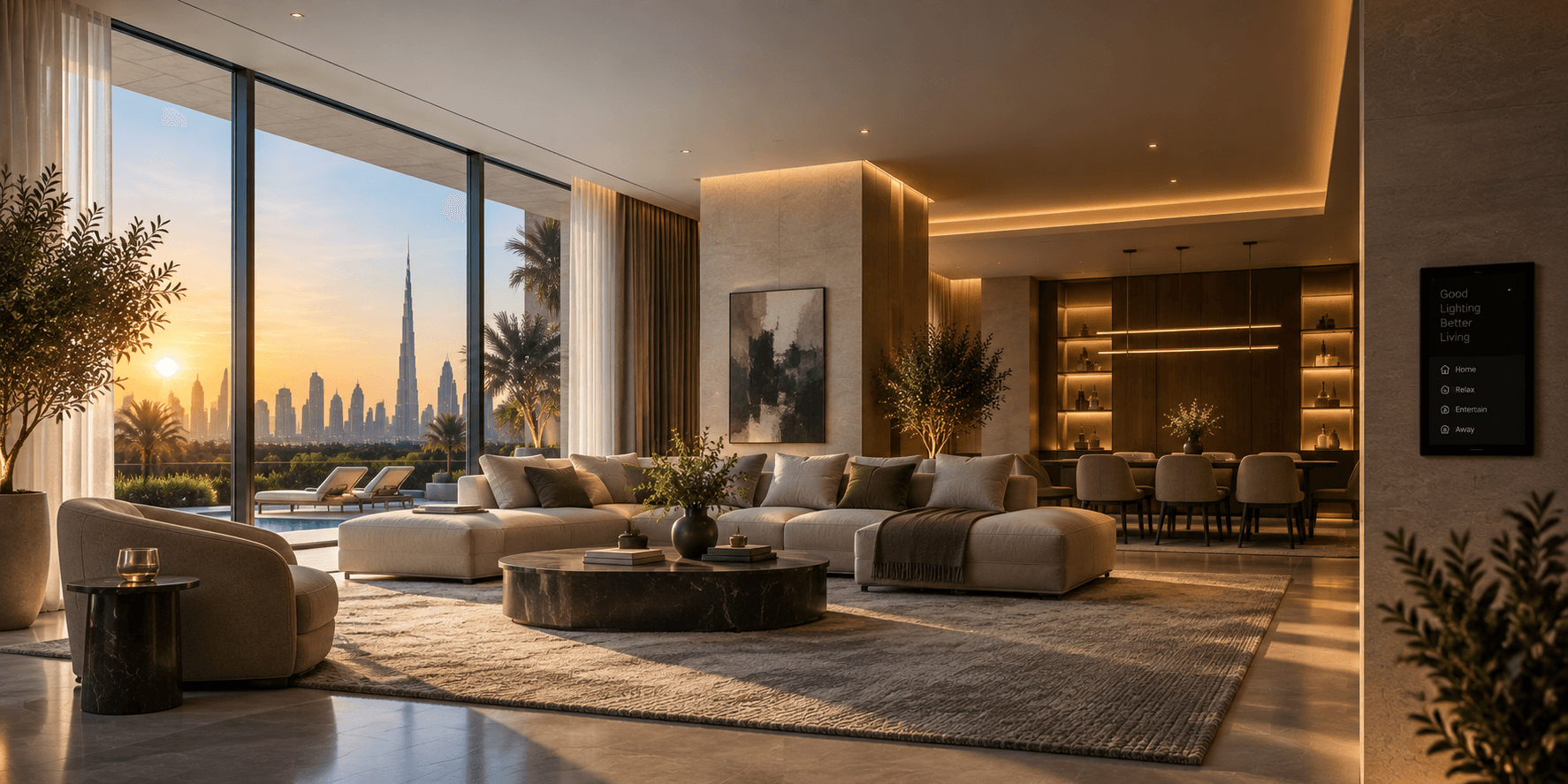
Lighting does not always need a manual command. Time, daylight, occupancy and events from other connected systems can initiate predefined lighting actions.
Complement changing natural light.
Trigger lighting states at defined times.
Respond to use and presence conditions.
Coordinate with other connected systems.
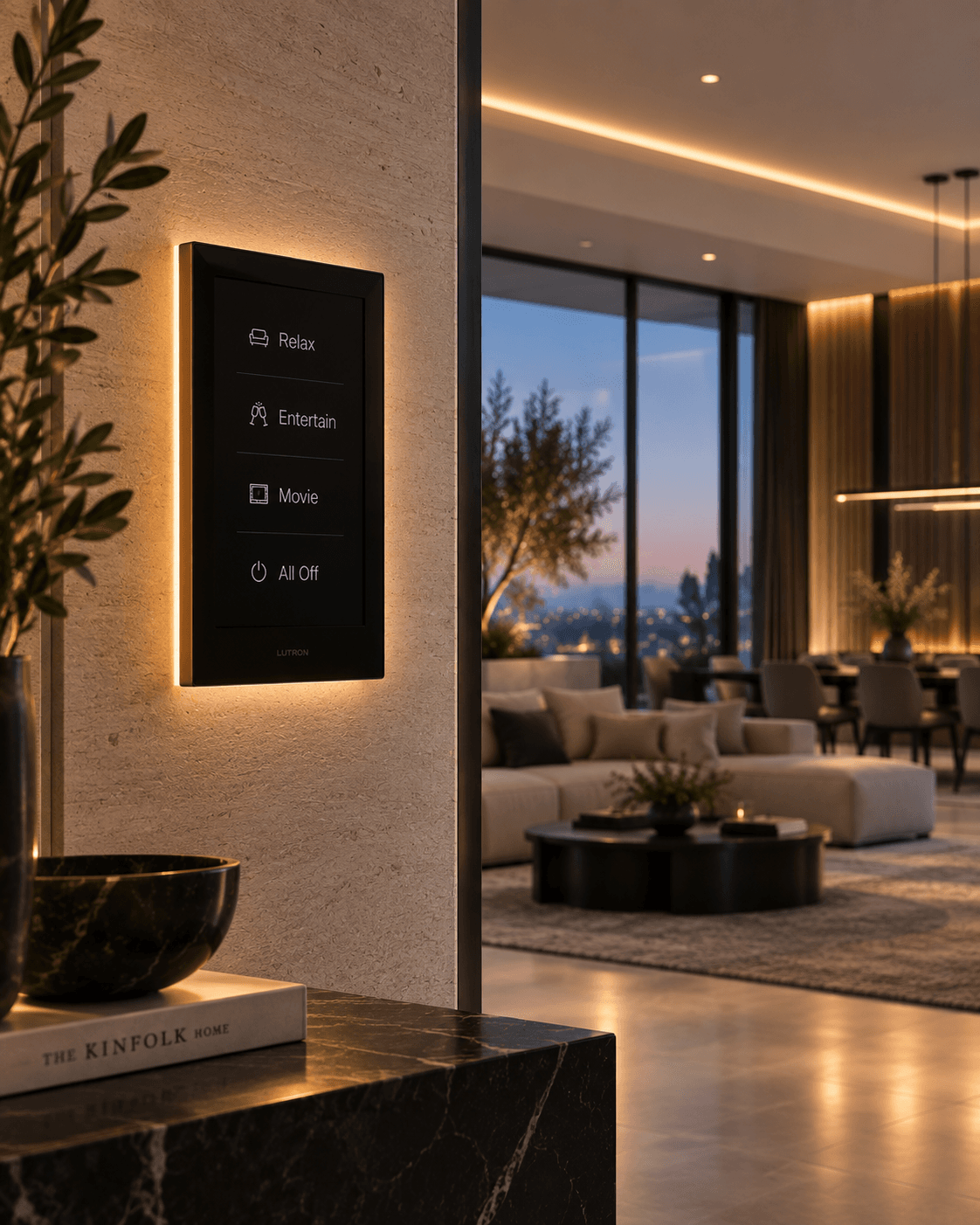
Simple to use. Connected behind the scenes.
Lighting can be controlled manually, automatically or as part of wider property routines while keeping frequently used functions simple and accessible.
Elegant wall controls for frequently used scenes and lighting functions.
Central access to lighting and other connected property systems.
Convenient access to selected lighting functions from compatible devices.
Schedules, occupancy and system events can initiate lighting automatically.
Connected Systems
One scene transforms the room for viewing.
A cinema requires different lighting conditions before, during and after viewing. These states can become part of one programmed cinema routine.
Circulation and ambient lighting remain active while the room is prepared.
Selected zones gradually dim or switch off for viewing.
Lighting returns to a practical level for movement and normal use.
The control strategy changes according to the scale, function and daily operation of each property.
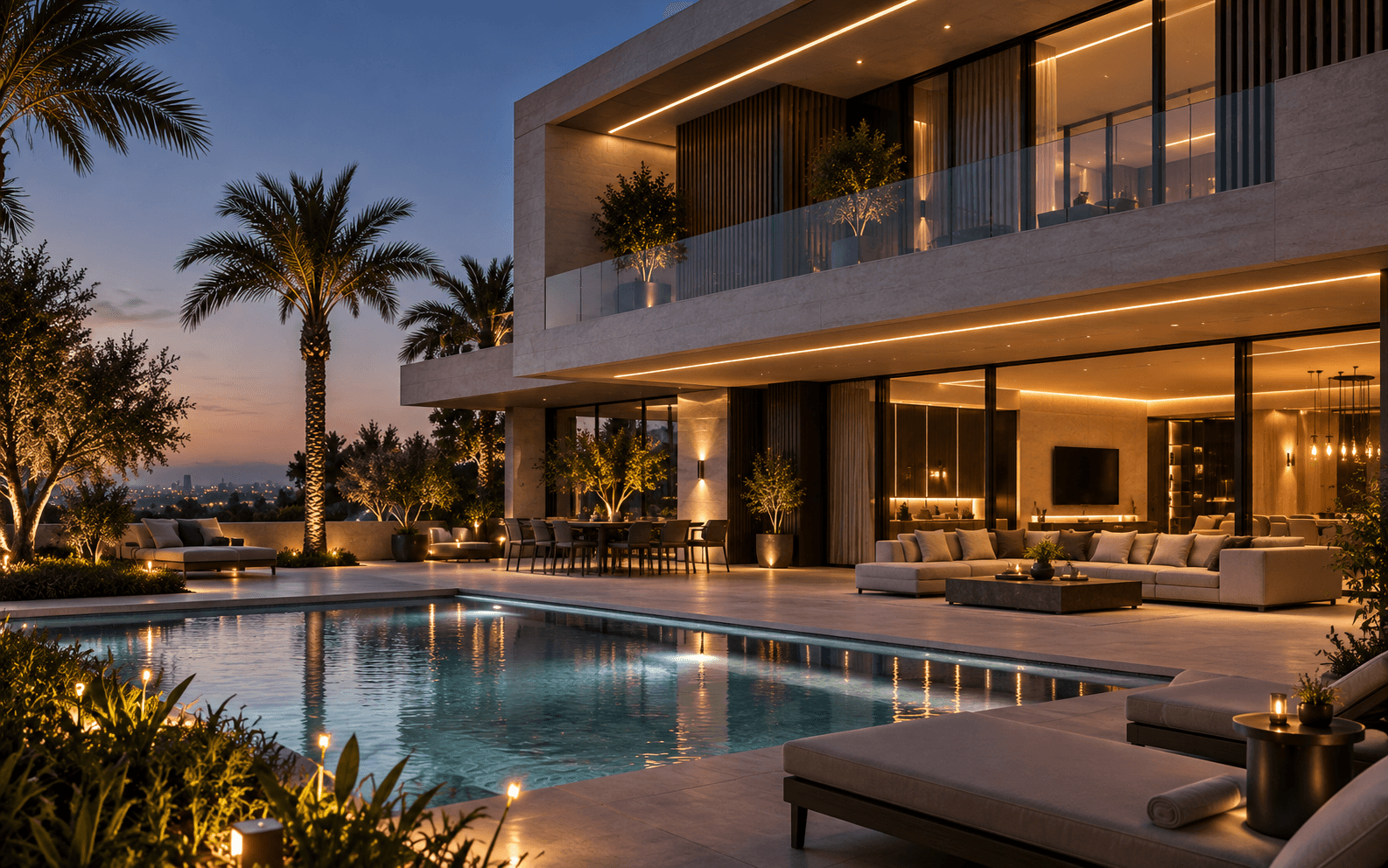
Whole-property lighting scenes and centralised control across living, entertainment and outdoor spaces.
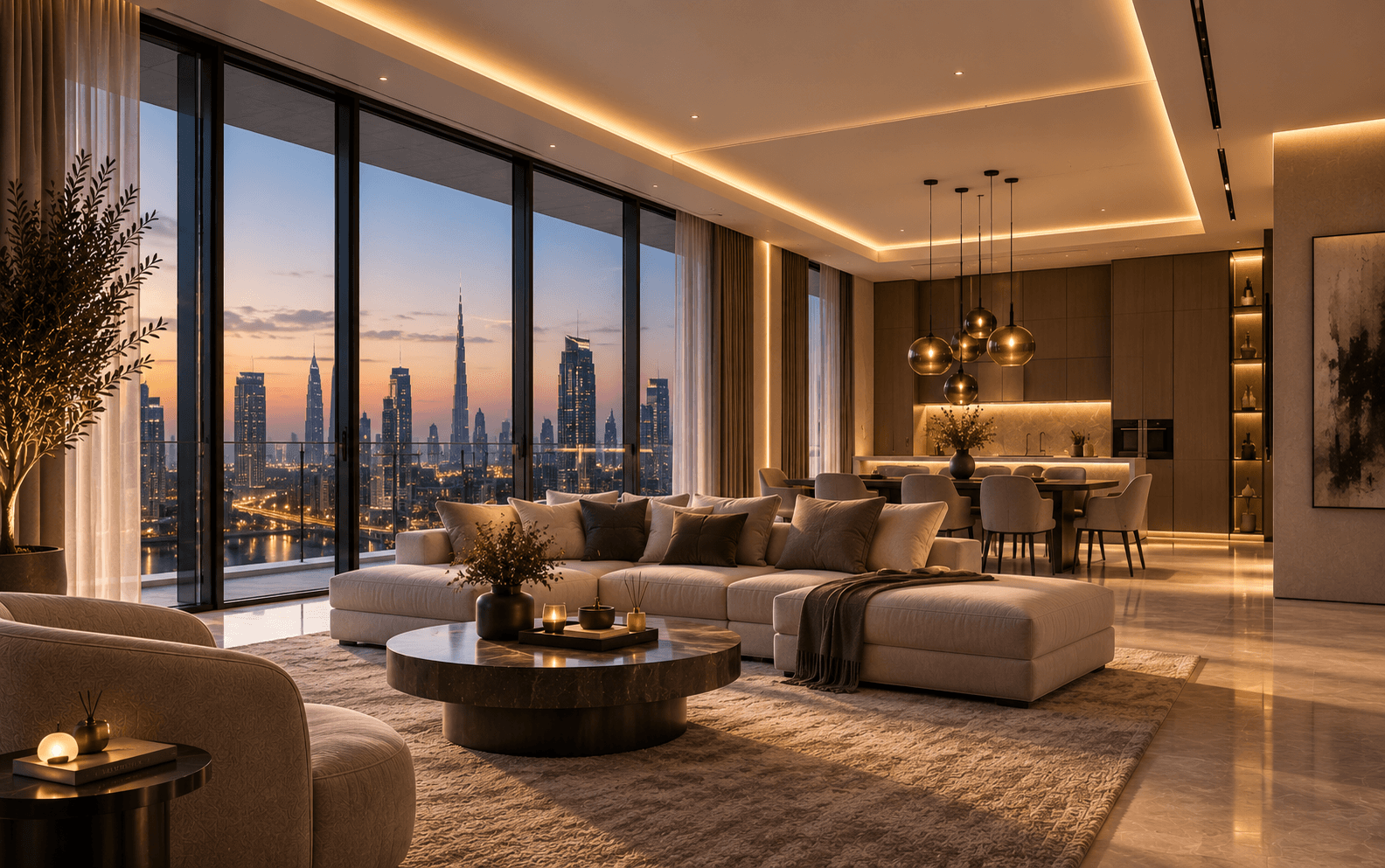
Integrated lighting control without adding unnecessary visual complexity to premium interiors.
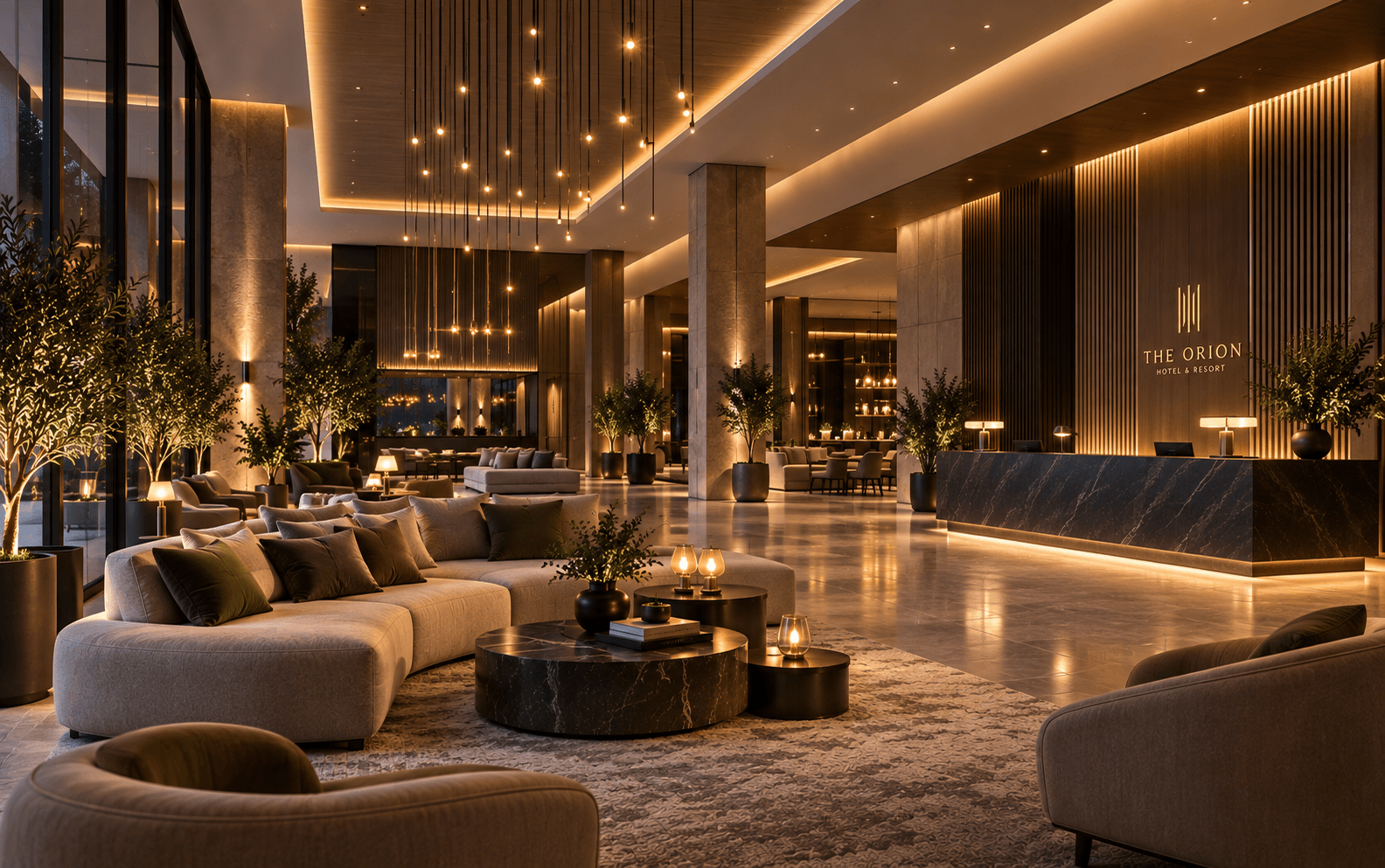
Guest-focused lighting across rooms, lounges and shared environments.
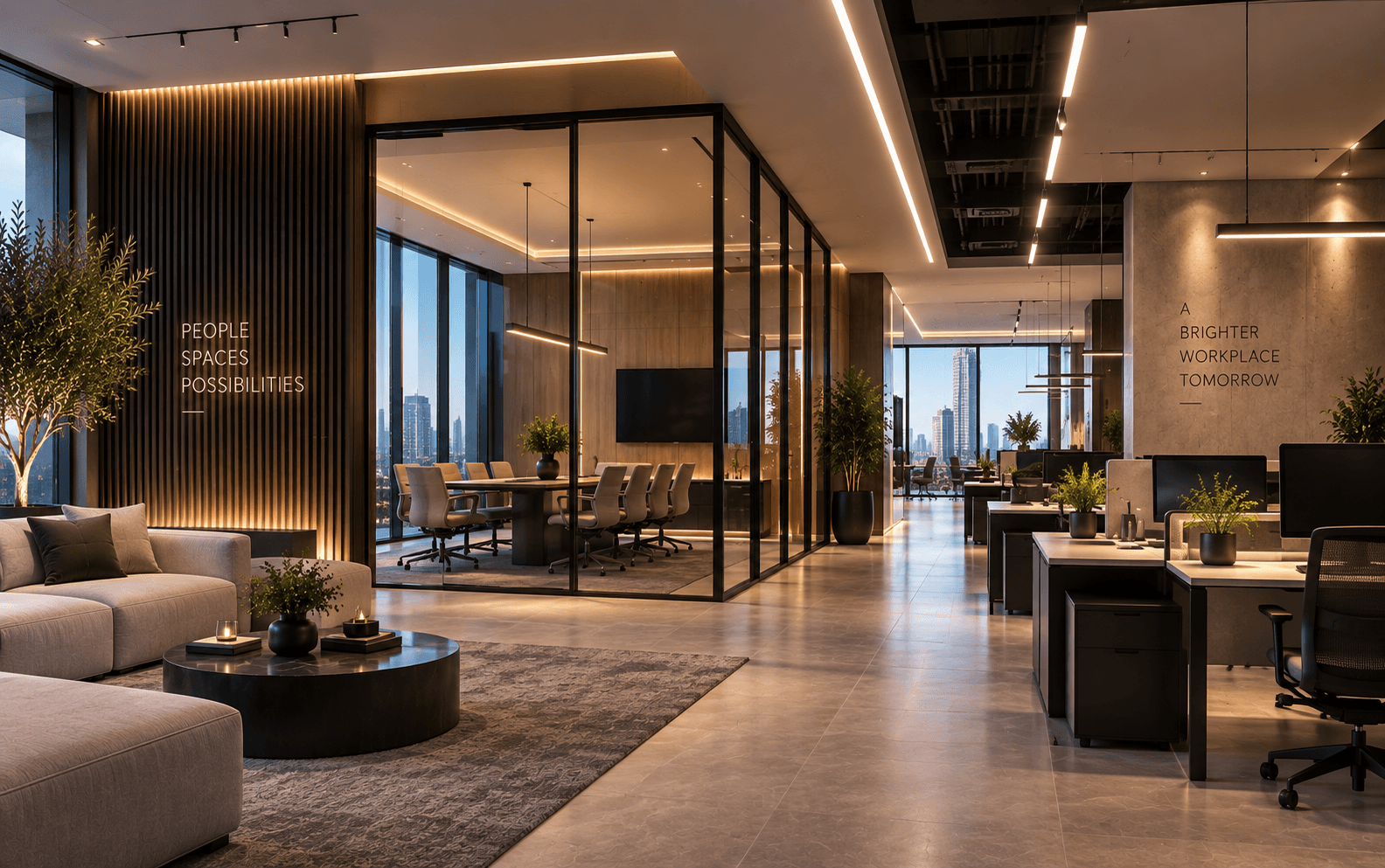
Scheduled and centralised lighting control for workplaces and customer-facing environments.
Lighting control is coordinated with architecture, interiors, electrical works and the wider technology environment throughout the project.
Understand the property, lighting design, user expectations and integration requirements.
Define zones, interfaces, scenes and the overall lighting control strategy.
Coordinate lighting requirements with architecture, interiors, electrical works and other systems.
Implement control equipment and supporting infrastructure according to the approved design.
Configure scenes, schedules, interfaces and automation logic around the way the property is used.
Test and refine lighting levels, scenes and integrated functions before handover.
Provide ongoing technical support and system adjustments as requirements develop.

Share your project requirements, drawings or existing system information and we can develop the appropriate lighting control and integration approach.
Discuss Your Project